Malaysia's First Commercial
Waste-to-Diesel Project
Converting Kedah's municipal waste into high-grade synthetic diesel through a joint venture between AHM High Technology, Permodalan Kedah Berhad, Universiti Utara Malaysia, and Rhusma Property.
A Joint Venture for a National Energy Asset
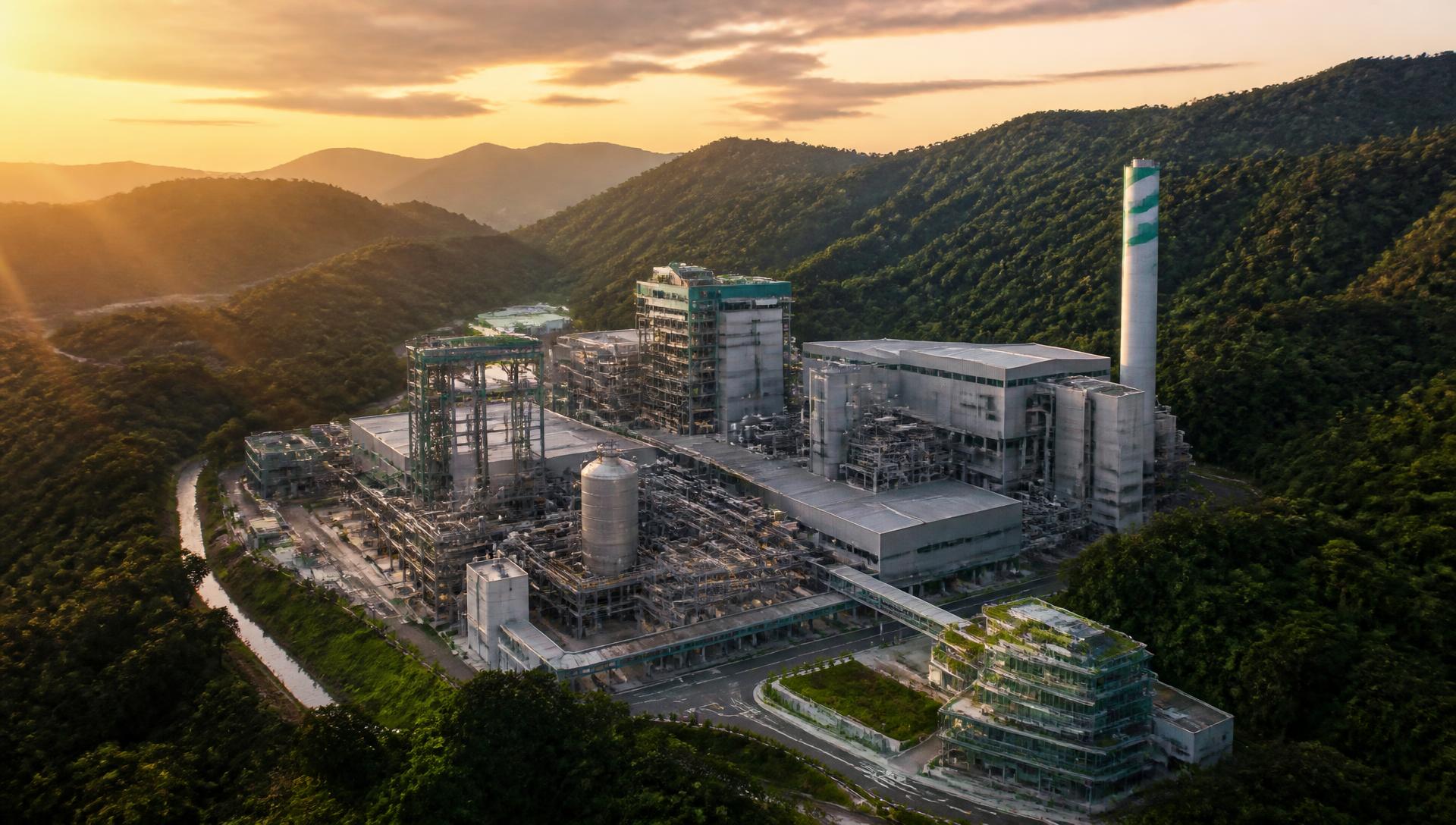
KDH Waste Diesel Development is a Malaysian special-purpose vehicle formed to commission the nation's first commercial municipal waste-to-diesel facility in Jabi, Kedah.
The project brings together AHM High Technology — the sole importer of German CLPD Technology — and Permodalan Kedah Berhad (PKB), the State of Kedah's strategic investment arm, for the commissioning and financing of this large-scale circular-economy plant.
Universiti Utara Malaysia (UUM) provides research-led consultancy on the plant's operational framework and accounting systems, while Rhusma Propertymanages land tenure perfection, state-authority liaison, and site-readiness documentation for the Jabi location.
The project is currently in the financing stage and is scheduled for commissioning in 2027 upon completion of all necessary arrangements, approvals, and investor due diligence.
- AHM High TechnologySole CLPD Technology Importer
Project initiator and technology licensee.
- Permodalan Kedah Berhad (PKB)Joint-Venture Partner
State-backed strategic investment and commissioning partner.
- Universiti Utara Malaysia (UUM)Research & Operations Consultant
Operational and accounting systems consultancy.
- Rhusma PropertyLand Tenure & Site Readiness Advisor
Land title, conversion, and local authority liaison.
German CLPD Technology — Fourth Generation
A low-temperature catalytic conversion process that transforms carbon-bearing waste into true synthetic diesel.
Low-Temperature Conversion
Operates at 280–330°C, avoiding combustion and eliminating dioxin formation associated with high-heat processes.
Closed-Loop Waste Recovery
Accepts MSW, plastics, clinical waste, and other carbon streams — converting them back into usable energy products.
Validated & Proven
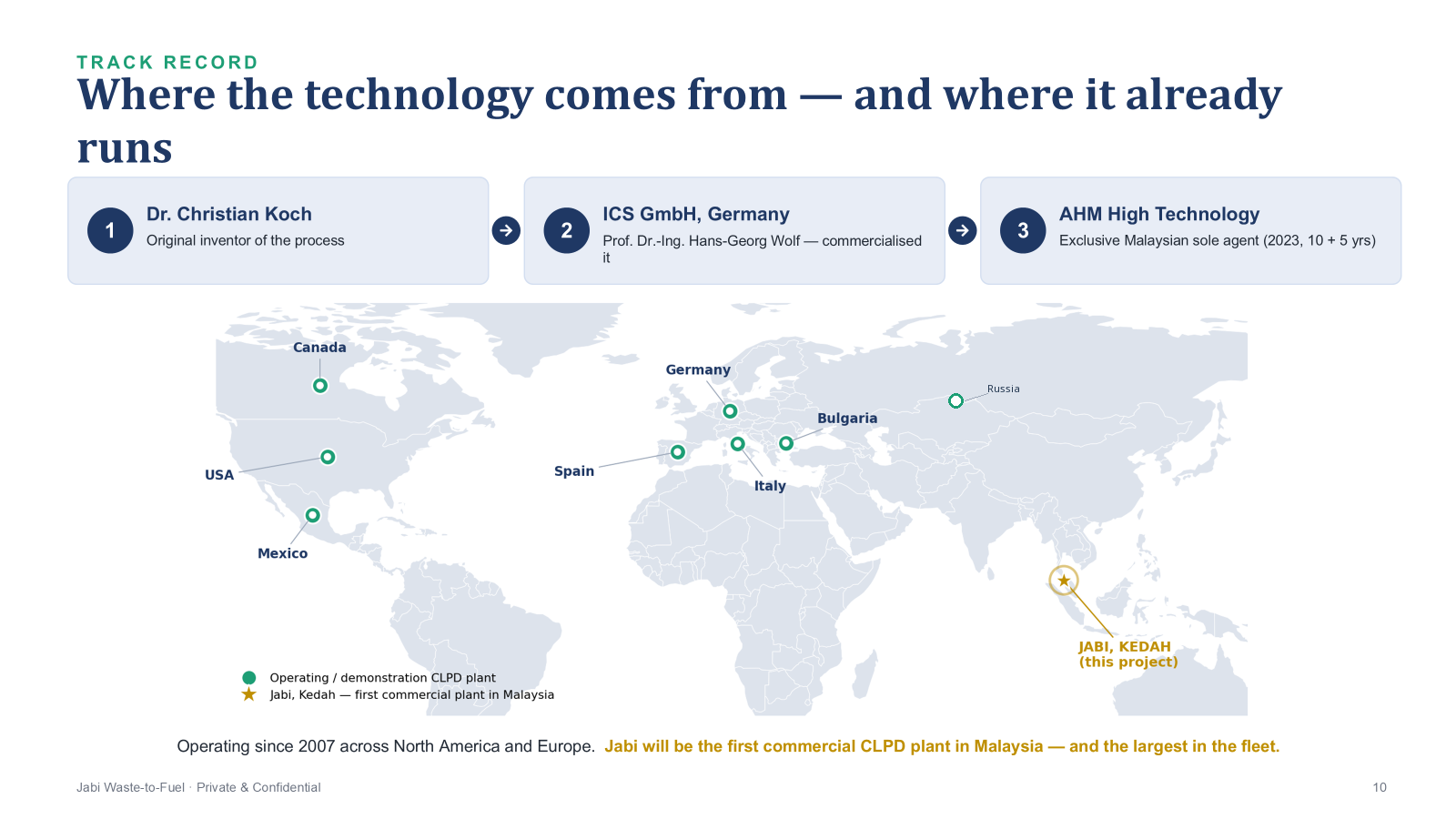
German-engineered CLPD Technology with a track record of commercial deployments across Europe, Russia, and the Americas.
Synthetic Diesel, Not Biodiesel
Produces a true hydrocarbon fuel chemically similar to fossil diesel, unlike FAME ester biodiesel. It is a drop-in replacement with no engine modifications.
Catalytic Conversion, Not Incineration
Unlike conventional waste-to-energy incineration, CLPD uses catalysts and controlled temperature. No open flame means no toxic flue gases and no residual dioxins.
Scalable Output
Initial phase output of 6,000 L/hour, scalable to 25,000 L/hour as feedstock supply and regional demand grow.
What Goes In, What Comes Out
A flexible, waste-agnostic platform that turns refuse into refined fuel, water, and inert material.
Accepted Feedstock
- Municipal Solid Waste (MSW)
- Used Plastics & Polymers
- Clinical & Medical Waste
- Rubber & Tyre Waste
- Industrial Carbon Waste
- Oil-Contaminated Materials
Valuable Outputs
- Synthetic DieselHigh-grade drop-in fuel for transport and power generation
- Distilled WaterRecovered water suitable for industrial reuse
- Inert AshSafe residual material with potential secondary applications
Why CLPD Outperforms Conventional Waste-to-Energy
No Gasification
No syngas phase or oxygen-starved reactions. The process is thermal catalytic decomposition, not partial oxidation.
No Toxic Byproducts
Low-temperature operation prevents dioxin and furan formation. Emissions are controlled and residual ash is inert.
Modular & Scalable
Standardised reactor trains allow capacity expansion from 6,000 L/hour to 25,000 L/hour to match regional demand.
Applications for Synthetic Diesel
The fuel produced by the CLPD plant meets the quality requirements of multiple high-value domestic markets.
Transport Fuel
Drop-in synthetic diesel for trucks, buses, marine vessels, and stationary engines without modification.
Power Generation
Fuel for gensets and off-grid power plants, supporting industrial estates and rural electrification.
Chemical Feedstock
Hydrocarbon intermediate suitable for solvents, lubricants, and downstream refining applications.
The same German CLPD process is already in commercial operation across Europe, Russia and the Americas. Jabi, Kedah will be the first deployment in Asia.
Waste Arriving at TP Jabi Is Growing Faster Than the Site Can Absorb
TP Jabi is a non-sanitary landfill and the primary disposal point for a large share of Kedah’s municipal solid waste. Between 2020 and 2024 the daily load rose by roughly half, while the site footprint expanded from 26.3 to 50.0 hectares simply to keep pace. Landfilling is buying time, not solving the problem.
Municipal waste received at TP Jabi
Tonnes / daySource: Department of Statistics Malaysia, Environment Statistics Kedah (400.07 tonnes/day reported for TP Jabi in the 2020 edition; 596.5 tonnes/day reported for 2024). Intervening years are shown as an indicative trend between the two reported figures.
Why this requires an immediate solution
Capacity is running out
At current growth, the remaining airspace at TP Jabi is consumed years ahead of any replacement site being approved, acquired, and built.
Environmental exposure
As a non-sanitary landfill, TP Jabi carries leachate, methane, and open-burning risk that scales directly with the tonnage received.
Value is being buried
The same waste stream is a proven feedstock for synthetic diesel. Every tonne landfilled is fuel, water, and revenue permanently lost.
A CLPD facility at Jabi converts this liability into a bankable energy asset — diverting municipal waste at source and producing high-grade synthetic diesel from day one of commissioning.
Jabi, Kedah — The Host Site
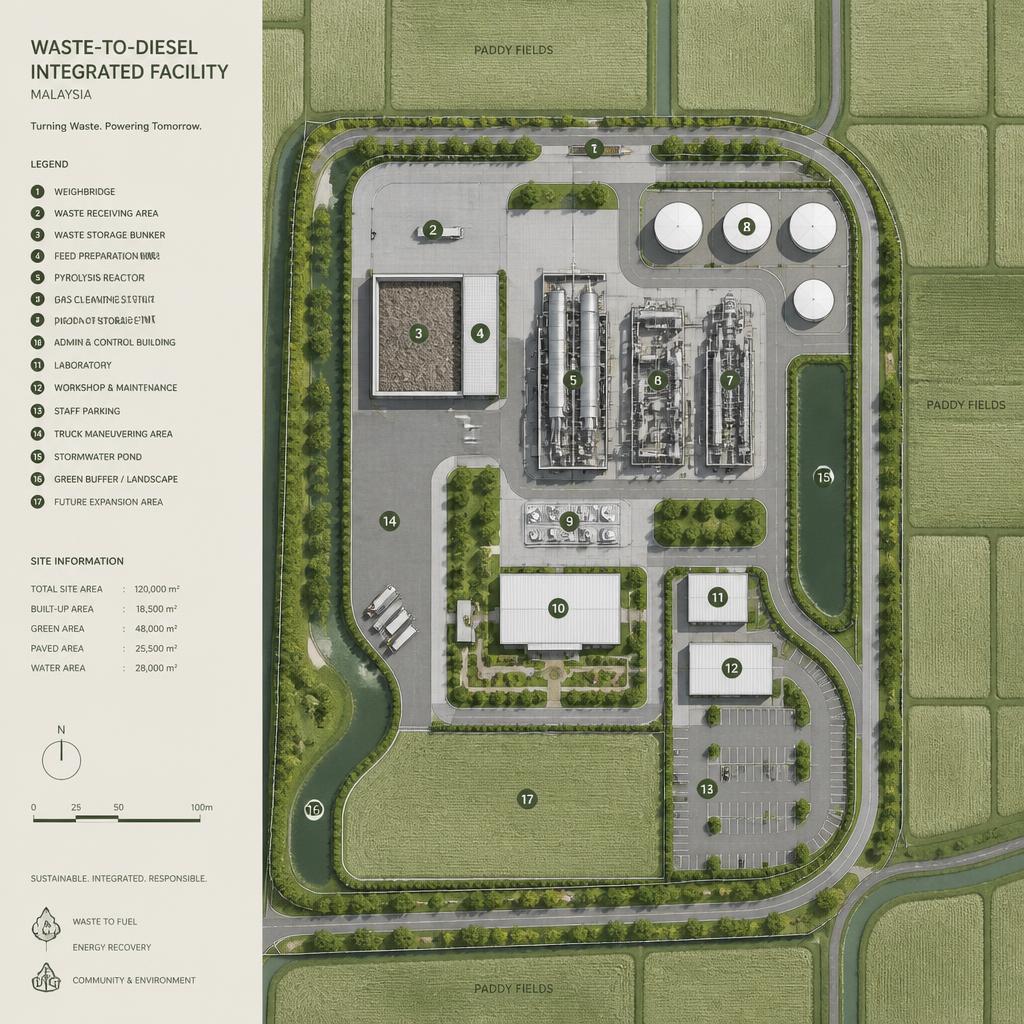
The facility is planned at the Jabi waste disposal site in Kedah, Malaysia, with existing waste logistics, grid access, and proximity to regional industrial demand.
Join Malaysia's Waste-to-Diesel Transition
The project is actively engaging strategic investors and diesel offtake partners. Reach out to the project leadership for information memoranda, site visits, and due-diligence support.
Abdul Halim Bin Hj Mohamed
AHM High Technology (Malaysia)
halim@kdhwtd.comGeneral Secretariat & Document Requests
For general inquiries, partnership proposals, media requests, project information memoranda, financial models, and site-visit arrangements.